ESPAÑOL 
 ENGLISH
ENGLISH
 ENGLISH
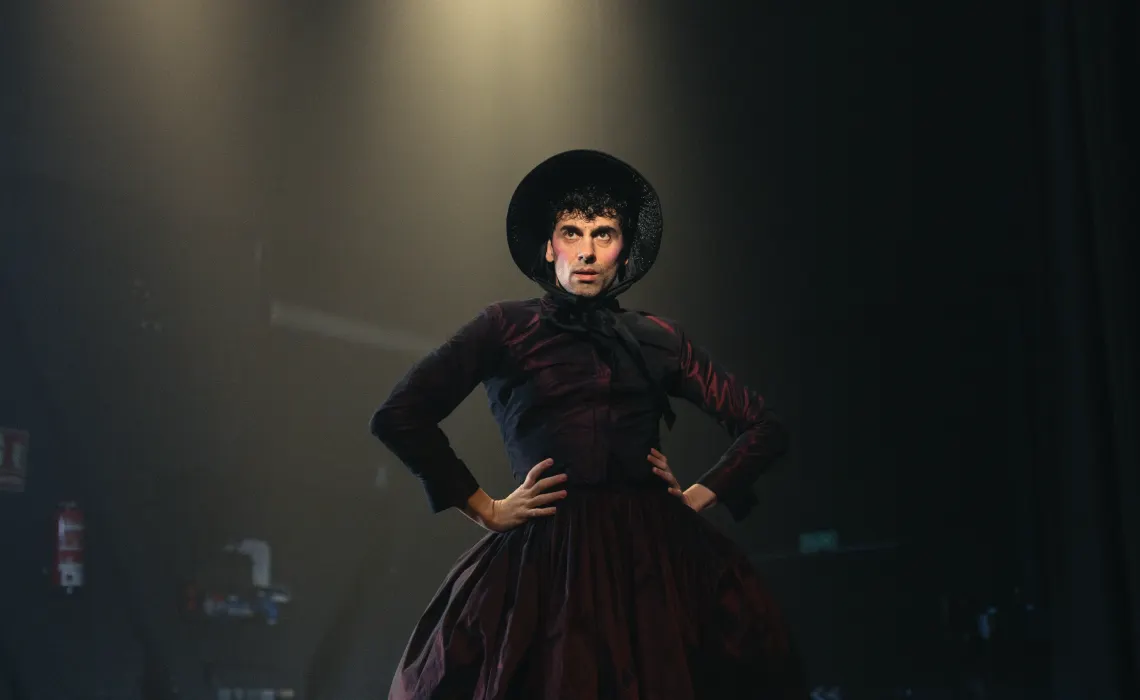
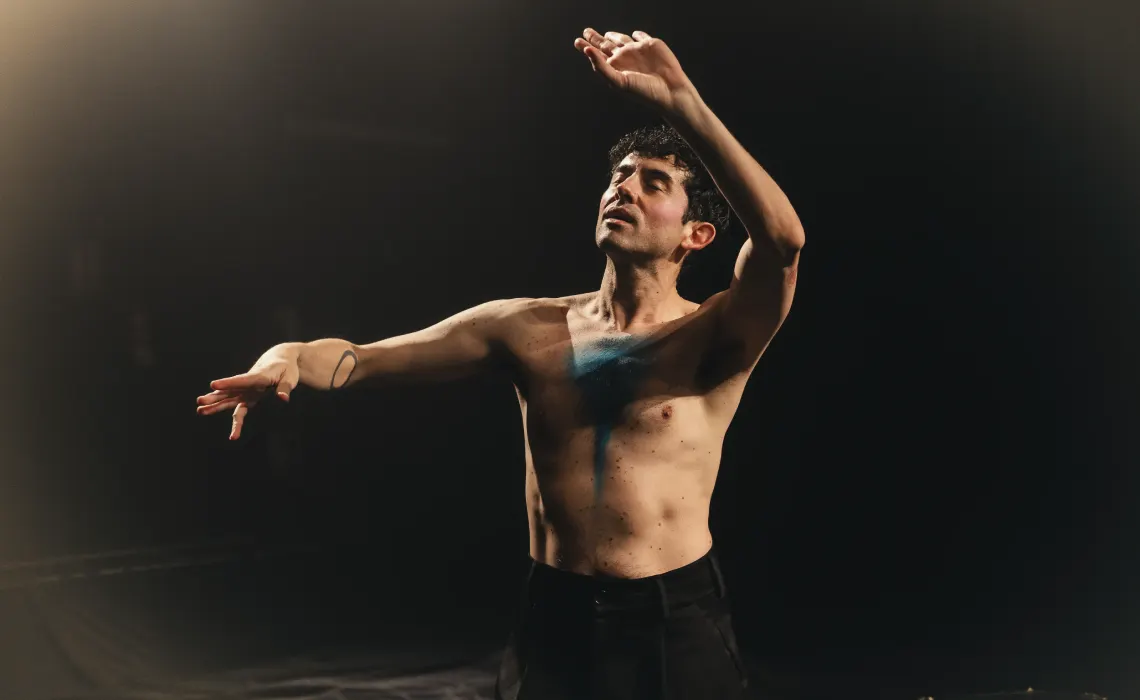
Alberto Cortés, Málaga-born stage director and performer, has been described by specialist critics as a “theatre enigma” and a “queer bullfighter”. This ties in perfectly with statements made by Cortés himself about his relationship with the stage. “In a way, I hate it, and it is in that struggle that I find my place.” At this year’s Autumn Festival, the struggle that Cortés refers to will be represented by two different plays: Analphabet and El corazón de Ester.
El corazón de Ester, Cortés’s most recent work, follows in the footsteps of his latest works, in which language and poetry serve as the driving force. On this occasion, he draws on a story set in the 19th century which tells the discovery of a manuscript signed by a certain Ester, a mysterious and deeply religious young woman. Through a series of diaries and love poems, the book tells the story of how Ester gradually wears herself down by devoting herself to her lovers and loved ones, until one day she fades away completely.
The stage production, inspired by the story behind the story of Ester, takes the form of an open confession before the audience, in a sort of ritual and act of redemption. It questions the dangers of emotional attachment and those to Cortés’s own body, as he reflects, under the pressure of outside scrutiny, on what it means to be sold time and time again by the capitalist market.
The result is a body which, like Ester’s, is gradually consumed by love, in a process of fading away bit by bit. Beyond the tragedy of dying for love, the play is also a gift to the audience, drawing on the works of Simone Weil, Emily Dickinson, the Brontë sisters, María Zambrano and Anne Carson. The artist is accompanied by Adriano Galante on guitar and the vocal group proyectoeLe.
Alberto Cortés previously appeared at the Autumn Festival in 2018 with the play Masacre en Nebraska.